
Inside Modern Oilfield Equipment Manufacturing: Process & Quality Control
The oil and gas industry operates in some of the world’s most demanding environments, where equipment reliability is critical for operational safety, productivity, and long-term performance. From drilling systems to high-pressure pipeline components, every oilfield product must be engineered with precision and manufactured to withstand extreme conditions.
Modern oilfield equipment manufacturing combines advanced technology, skilled engineering, and strict quality control procedures to produce components capable of handling high pressure, corrosion, vibration, and harsh operating environments. Understanding the manufacturing process helps industries appreciate the importance of precision engineering in ensuring safe and efficient operations.
The Importance of High-Quality Oilfield Equipment
Oilfield equipment is exposed to continuous stress, extreme temperatures, abrasive fluids, and high-pressure environments. Any failure in critical components can lead to:
- Operational downtime
- Production losses
- Environmental hazards
- Safety risks
- Increased maintenance costs
This is why manufacturers focus heavily on durability, dimensional accuracy, and compliance with international industry standards.
Products such as Hammer Unions, Swivel Joints, Pup Joints, Flanges, and high-pressure fittings require precision manufacturing to deliver reliable field performance.
Modern Oilfield Equipment Manufacturing Process
1. Raw Material Selection
The manufacturing process begins with the careful selection of raw materials. High-strength forged alloy steel, stainless steel, and other specialized metals are commonly used depending on the application requirements.
Material selection is based on:
- Pressure resistance
- Corrosion resistance
- Temperature tolerance
- Mechanical strength
- Service environment compatibility
Using certified raw materials ensures the final product can withstand demanding industrial conditions.
2. Precision Forging and Machining
Forging is one of the most critical stages in oilfield equipment manufacturing. Forged components provide superior strength and structural integrity compared to cast materials.
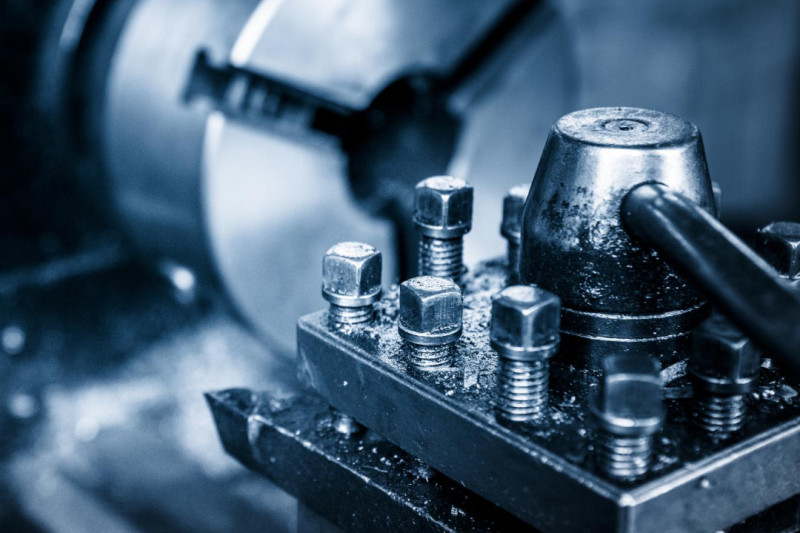
After forging, components undergo CNC machining to achieve precise dimensions and tight tolerances. Advanced CNC machines help manufacturers maintain:
- Dimensional accuracy
- Consistent product quality
- Smooth surface finishing
- Improved sealing performance
Precision machining is especially important for threaded connections and pressure-bearing components.
3. Heat Treatment Process
Heat treatment improves the mechanical properties of oilfield components by enhancing:
- Hardness
- Strength
- Wear resistance
- Toughness
Different heat treatment methods are used depending on the material and application. Proper heat treatment ensures products can perform reliably under high-pressure and high-temperature conditions.
4. Surface Finishing and Coating
Oilfield equipment often operates in corrosive environments involving chemicals, moisture, and abrasive materials. Surface treatment processes help improve corrosion resistance and product durability.
Common finishing processes include:
- Sandblasting
- Shot blasting
- Phosphating
- Protective coating
- Anti-corrosion treatments
These processes extend equipment life and maintain operational performance.
Quality Control in Oilfield Equipment Manufacturing
Quality control is one of the most important aspects of modern oilfield manufacturing. Every component must undergo strict inspections and testing before reaching the customer.
Dimensional Inspection
Precision measuring instruments are used to verify that every component meets required dimensions and tolerances.
Pressure Testing
Pressure-bearing products are tested under simulated operating conditions to ensure leak-proof performance and structural reliability.
Non-Destructive Testing (NDT)
NDT methods help detect internal or surface defects without damaging the product. Common techniques include:
- Ultrasonic testing
- Magnetic particle inspection
- Dye penetrant testing
These inspections ensure product safety and reliability.
Material Testing
Mechanical and chemical tests verify:
- Tensile strength
- Hardness
- Impact resistance
- Material composition
Testing ensures compliance with industrial standards and customer specifications.
Role of International Standards
Leading manufacturers follow internationally recognized standards to ensure quality and consistency in oilfield equipment production. Compliance with industry standards helps improve:
- Product safety
- Operational reliability
- Interchangeability
- Customer confidence
Adhering to strict manufacturing guidelines is essential for equipment used in critical oil & gas operations.
Advanced Technology in Modern Manufacturing
Modern oilfield manufacturing facilities increasingly use advanced technologies such as:
- CNC automation
- CAD/CAM design systems
- Automated inspection equipment
- Precision testing systems
- Digital quality monitoring
These technologies improve manufacturing efficiency, reduce human error, and maintain consistent product quality.
Importance of Experienced Engineering and Skilled Workforce
Even with advanced machinery, skilled engineers and technicians remain essential in oilfield equipment manufacturing. Experienced professionals ensure:
- Accurate product design
- Proper machining and assembly
- Strict inspection procedures
- Reliable production planning
A strong technical workforce contributes directly to product quality and customer satisfaction.
Choosing the Right Manufacturing Partner
Selecting a trusted oilfield equipment manufacturer is important for ensuring operational safety and long-term performance. Industries should look for manufacturers with:
- Advanced production facilities
- Strong quality control systems
- Industry experience
- Custom manufacturing capability
- Timely delivery support
Reliable manufacturing partners help businesses reduce operational risks and improve equipment performance.
Conclusion
Modern oilfield equipment manufacturing is a combination of precision engineering, advanced technology, and strict quality control practices. From raw material selection to final inspection, every stage plays a crucial role in producing durable and high-performance industrial components.
As oil & gas operations continue to demand higher efficiency and safety, the need for reliable manufacturing standards becomes even more important. High-quality oilfield equipment not only improves operational performance but also helps ensure long-term reliability in challenging environments.
SIVUS ENGINEERS PRIVATE LIMITED specializes in manufacturing high-performance oilfield and industrial products with a strong focus on quality, precision, durability, and customer satisfaction for global energy and infrastructure industries.